Your Guide to Retiring in Paradise at Poseidonia
Yes, you can retire comfortably in the Dominican Republic, which offers specific residency programs for foreign retirees and rentiers. Pathways like the Pensionado visa are designed for those with stable retirement income, providing a clear route to making your home at a community like Poseidonia in Cana Bay.
What makes Poseidonia in Cana Bay an ideal retirement setting?
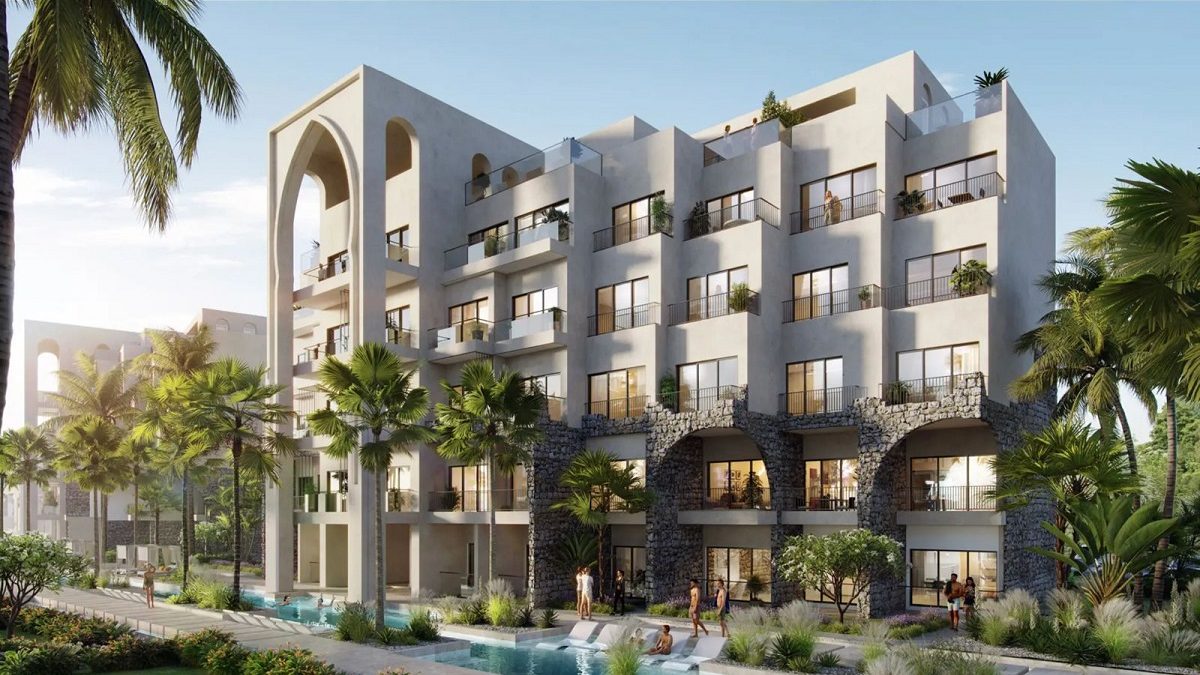
Choosing a place to retire is about more than just a property; it's about the lifestyle and community. Poseidonia, located within the gated Cana Bay community, is designed for a life of leisure and comfort. As an owner, you have access to world-class amenities right at your doorstep. This includes the Cana Bay Beach Club with its private beach and infinity pool, a Jack Nicklaus-designed championship golf course, and a Racquet Club for tennis and padel.
The development itself, built by Noval Properties, features resort-style pools, a spa and wellness center, and on-site dining options, creating a self-contained sanctuary. With Punta Cana International Airport just a 25-minute drive away, travel for yourself or visiting family is simple and convenient. Furthermore, every residence at Poseidonia, from 527 square foot one-bedroom units to larger penthouses, is delivered fully furnished and turnkey, allowing for a seamless transition into your new Caribbean life.
Which residency programs are available for retirees?
The Dominican Republic encourages foreign retirees and those with independent income streams through Law 171-07, which created the Pensionado and Rentista visas. These are the most direct paths to residency for many retirees. Your attorney can advise which path best fits your financial situation and help prepare the application.
The Pensionado (pensioner) visa is for individuals receiving a monthly pension or retirement income from a foreign government or private company. The Rentista (investor/independent income) visa is for those who have a stable, permanent income from foreign investments, such as rental properties or financial instruments. While the country also has an investment residency program, sources conflict on whether a real estate purchase alone qualifies, so it is crucial to seek legal counsel on this point.
| Residency Path | Minimum Monthly Income (USD) | Source of Income | Governing Law |
|---|---|---|---|
| Pensionado (Retiree) | $1,500 | Pension from government or private firm | Law 171-07 |
| Rentista (Independent Income) | $2,000 | Stable income from foreign investments | Law 171-07 |
What are the general steps for a residency application?
Navigating the residency process requires careful preparation and the guidance of a qualified Dominican attorney. While the specifics can vary, the general process follows a clear sequence. An attorney will ensure all your documentation is correctly prepared and submitted, representing your interests throughout.
-
Document Preparation Your attorney will help you gather and notarize all required documents, which typically include proof of income, birth certificate, background checks, and a medical exam.
-
Consulate Application The initial residency visa application is submitted to a Dominican consulate in your home country. Once approved, you receive a specific visa for the purpose of obtaining residency.
-
Arrival and Provisional Card Upon entering the Dominican Republic with your residency visa, you complete the local formalities and are issued a provisional residency card.
-
Permanent Residency Before the provisional card expires, your attorney files for the permanent card. Card terms and renewal periods differ by route, so have yours confirmed for the path you are actually on rather than assumed from a general description.
Can owning property at Poseidonia lead to Dominican citizenship?
Yes, long-term residency can be a pathway to Dominican citizenship for those who desire it. The Dominican Republic permits dual citizenship, so you would not have to renounce your original nationality. The naturalisation statute sets two years of uninterrupted legal residence for the ordinary route. Read that as the statute's figure rather than as an elapsed timeline from arrival: other accounts describe a longer migration track before permanent status is even reached, and how the two reconcile is not something we can state.
The same statute provides a shorter route for people who own real property — six months of uninterrupted legal residence — and it sets no minimum property value at all, so it is not a benefit bought with a purchase. What is genuinely unsettled is what those six months mean: whether the period is six months physically present in the country, or six months holding the permit. For a retiree still splitting the year between two countries those are very different propositions, so treat it as the first question to put to an immigration lawyer rather than as a plan.
What are the tax implications for a retiree owning at Poseidonia?
Owning your retirement home at Poseidonia comes with significant tax advantages thanks to its qualification under CONFOTUR (Law 158-01). This law is designed to promote tourism development and offers powerful incentives to first buyers of qualifying properties. On a qualifying project the law exempts the first buyer from the developer from the 3% transfer tax at purchase, and exempts the 1% annual IPI — a tax that in any case bites only on the part of a valuation sitting above a floor the government re-sets each year, never on the whole figure. The law provides for a fifteen-year term for these exemptions on qualifying projects; your attorney will confirm how this applies to your specific purchase.
It's important to distinguish between property taxes and income taxes. Having residency does not automatically make you a tax resident; that is generally determined by spending more than 182 days a year in the country. If you choose to rent your property through the optional Aston-managed program, be aware that rental income is subject to taxation. For non-residents that is a 27% withholding on gross rental income — charged on the gross, with no deductions for costs, and treated as a single and definitive payment. Rates and rules change, so have an accountant confirm the position rather than working from a figure on a page.
Common questions
- Do I need to be in the Dominican Republic year-round to maintain residency?
- How much time you actually have to spend in the country differs by permit type, and it is one of the details worth pinning down before you commit rather than after. Your attorney can tell you what your route requires and what an extended absence would do to it.
- Is the monthly income for the Pensionado visa per person or per couple?
- The $1,500 monthly figure is the Pensionado threshold in the law. Whether a spouse applying alongside you changes the requirement, and by how much, is exactly the kind of detail to have your legal adviser confirm for your household — it is not a figure to assume from a general guide.
- Are the CONFOTUR tax benefits transferable if I sell my Poseidonia condo?
- No, the tax benefits under CONFOTUR Law 158-01 are granted only to the first buyer of the property from the developer. Subsequent owners in a resale are not eligible for these exemptions.
Want the details for your own situation?
Ask about availability, layouts or the buying process, and someone from the sales team will get back to you.
Get in touch